Playing Cards
A Classic That Stands the Test of Time
As a designer who’s stitched through countless embroidery projects, I’ve come to appreciate the quiet power of a well-crafted machine embroidery design. Playing Cards is one such design that feels both familiar and fresh, with a visual language that speaks to those who love games, luck, and a touch of whimsy. Its simplicity belies its versatility, making it a strong candidate for a wide range of applications—from custom apparel to holiday gifts.
The First Impression: A Game of Chance and Charm
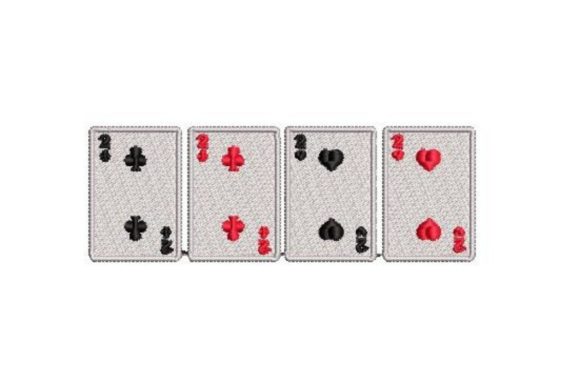
At first glance, Playing Cards exudes a classic, slightly playful vibe. The layout is clean, with bold outlines and subtle shading that gives it depth without overwhelming the eye. The use of satin stitch and fill stitch creates a sense of texture that feels natural on fabric. It’s not overly detailed, which makes it ideal for smaller hoop sizes or fabrics that might struggle with dense stitching.
What stands out most is how the design balances simplicity with character. The card shapes are clear, and the placement of numbers and suits feels intentional. It doesn’t shout for attention but instead invites you to look closer, to find the little details that make it feel handcrafted. This kind of visual storytelling is what makes an embroidery design memorable, especially when used in personalized gifts or boutique products.
Real-World Use Cases: Where Does Playing Cards Fit?
When considering where Playing Cards would work best, I think of practical scenarios like custom t-shirts, tote bags, and baby items. Imagine a sweatshirt embroidery featuring Playing Cards on the back—perfect for a casual, fun-loving customer. Or picture a tote bag design with the cards subtly embroidered in a corner, adding a touch of personality without being too distracting.
For holiday embroidery, Playing Cards could be a great addition to a festive apron or a decorative pillow cover. It’s also a solid choice for custom apparel that needs to hold up through frequent washing, thanks to its clean lines and minimal detail. In a small shop product, it could serve as a signature element that helps differentiate your brand from others.
Testing the Design in Real Life
Before committing to a design, I always recommend testing it on scrap fabric. Playing Cards holds up well in this regard, with clear outlines and consistent stitch density. However, there are a few areas where caution is advised. For instance, the stitch density might be too high for very thin or stretchy fabrics, leading to puckering or distortion. Similarly, the hoop size should be considered carefully, especially if you’re working with smaller formats or curved surfaces like caps.
If you're planning to use Playing Cards on a dark fabric, the contrast between the thread colors and the background may not be as striking. Testing in black and white mockups can help you see how the design will appear in different lighting conditions. Also, using the right stabilizer is crucial to prevent shifting or uneven stitching, especially on layered garments or textured fabrics.
Design Considerations for Different Applications
Playing Cards is a versatile design that can adapt to many uses, but it’s not without its limitations. For example, tiny lettering or intricate corners might not translate well to small-scale embroidery. If you're creating a personalized gift, consider how the design will look on the final product—will it be legible? Will it add value or distract from the overall aesthetic?
When it comes to commercial embroidery, Playing Cards has the potential to be a valuable asset. It can be used in digital embroidery files for Etsy sellers or craft businesses looking to expand their offerings. However, it's important to confirm the licensing terms before selling finished products or digital assets. Always check whether the design allows for commercial use, especially if you're planning to offer it as a printable mockup or design asset.
Practical Designer Notes for Success
As an experienced designer, I always encourage testing before committing. Here are a few tips to keep in mind:
- Test on scrap fabric to ensure the design performs as expected.
- Check thread color contrast against different fabric backgrounds.
- Review stitch density to avoid issues with dense or sparse stitching.
- Confirm hoop size to ensure the design fits properly.
- Inspect small details like lettering and borders for clarity.
- Test in black and white to see how the design translates in different lighting.
- Use proper stabilizer to maintain fabric integrity during stitching.
- Consider both personal and commercial use to ensure the design meets your goals.
- Verify licensing before selling finished items or digital products.
By taking these steps, you’ll be better equipped to determine whether Playing Cards is the right fit for your next project, whether it’s a handmade product, a personalized gift, or a commercial embroidery offering.
Final Thoughts: A Reliable Choice for Many Projects
Playing Cards is a design that feels both approachable and professional. It’s not overly complex, which makes it ideal for beginners and seasoned designers alike. Whether you're creating a custom apparel piece, a holiday gift, or a small shop product, this design offers a balance of style and functionality that can elevate your finished project.
With the right preparation and attention to detail, Playing Cards can become a staple in your design toolkit. It’s a reminder that sometimes, the simplest designs have the most impact—especially when they’re crafted with care and used thoughtfully.